Ceva Wildlife Research Fund announces support for three new international applied research projects dedicated to protecting biodiversity.
Created to help preserve wildlife health and maintain global health balance, the fund supports project leaders in the field through financial backing and expertise for applied research projects.
These three new projects, signed in 2026, fully align with one of the fund’s three pillars, “Understanding and Measuring” dedicated to advancing scientific knowledge, monitoring emerging diseases, and improving anticipation capacities in response to health risks.

BETTER UNDERSTANDING ZOONOTIC RISKS IN THE HEART OF REPUBLIC OF THE CONGO 🇨🇬
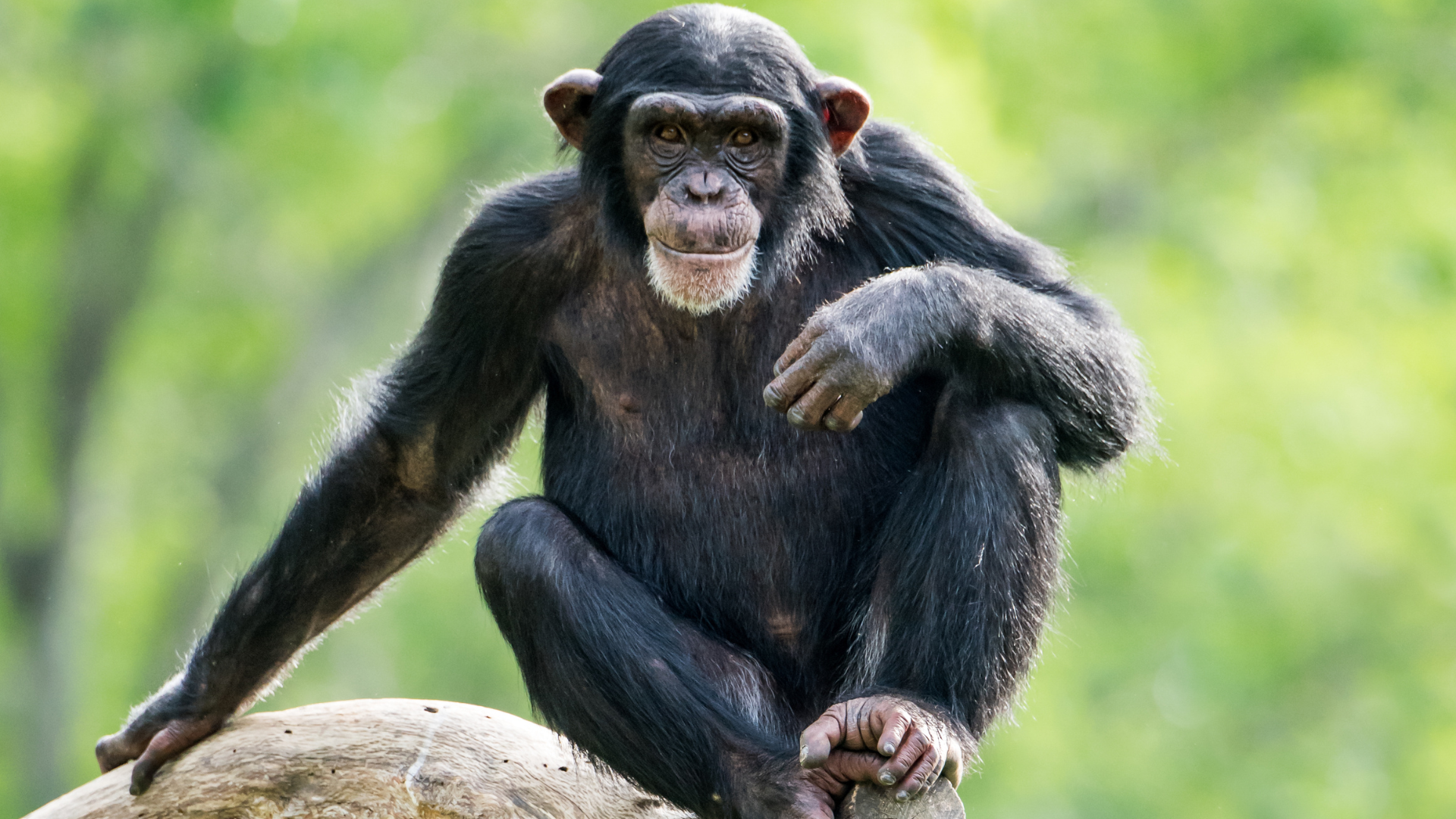
The first newly supported project is taking place within Conkouati-Douli National Park in Republic of the Congo, a territory home to iconic Central African biodiversity: forest elephants, gorillas, chimpanzees, hippopotamuses, sea turtles, and humpback whales.
In this environment where human populations, domestic dogs, and wildlife coexist, researchers are studying the circulation of parasites from the Strongyloides genus, responsible for strongyloidiasis, a neglected tropical disease that can affect primates, canids, and humans.
Objectives:
- Better understand how these parasites circulate between species,
- Identify transmission risk areas and factors,
- Assess the role of domestic dogs as potential epidemiological bridges between wildlife and human populations.
The project will also help strengthen local capacities through training park teams in collection and diagnostic techniques, while developing practical tools for health surveillance and management.

STUDYING AVIAN INFLUENZA AND WEST NILE VIRUS IN SOUTH AFRICAN VULTURES 🇿🇦
The second newly supported project focuses on five South African vulture species that are now critically threatened, including White-backed Vulture (Gyps africanus), Cape Vulture (Gyps coprotheres), Hooded Vulture (Necrosyrtes monachus), Lappet-faced Vulture (Torgos tracheliotos), and White-headed Vulture (Trigonoceps occipitalis).
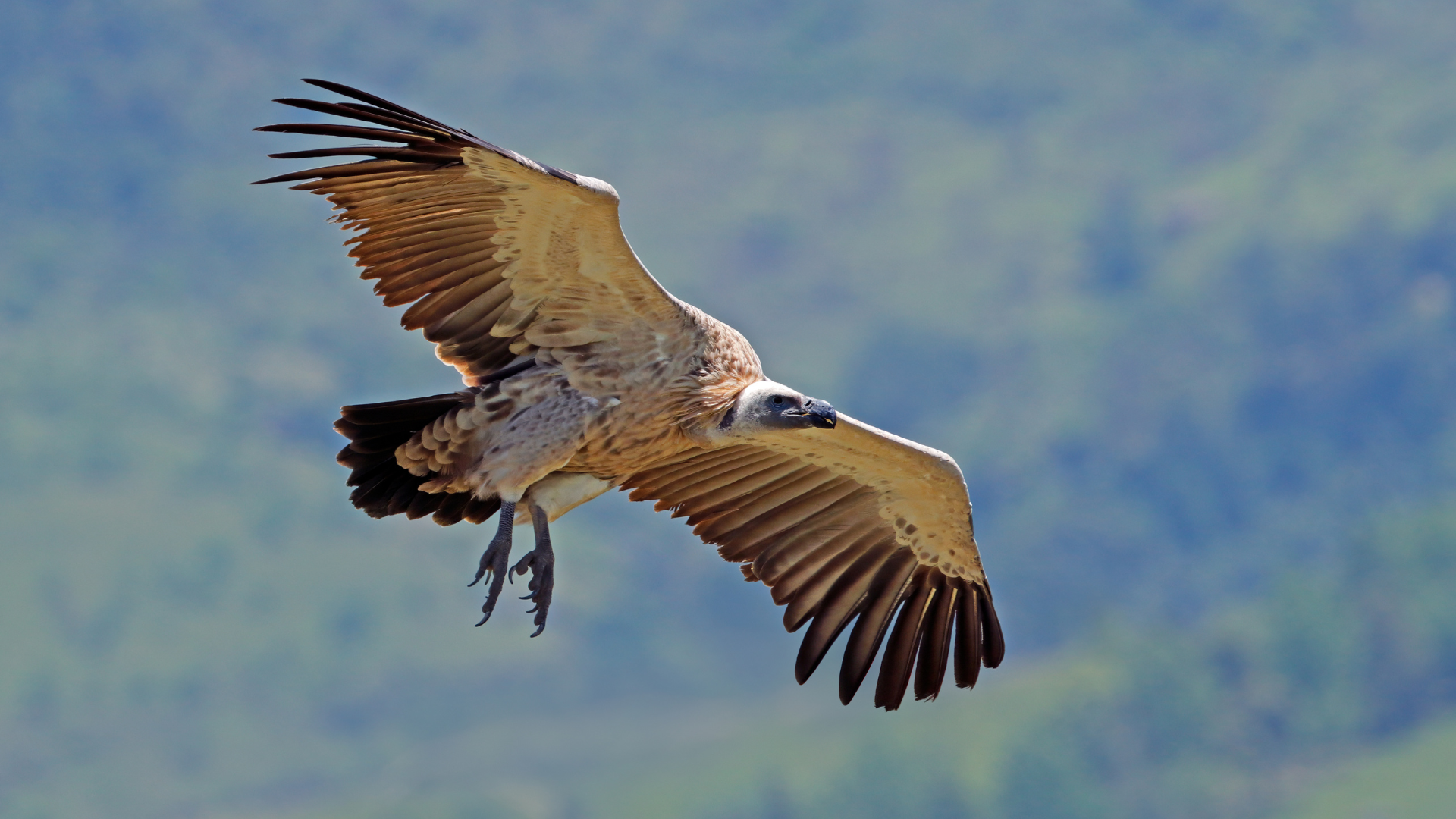
Essential players in ecosystem balance, vultures play a major health role by rapidly removing animal carcasses and thereby limiting the spread of pathogens in natural environments.
Yet infectious diseases remain largely understudied in these species.
Objective:
- To better understand the presence and circulation of two concerning diseases: West Nile virus and highly pathogenic avian influenza (HPAI).
By generating the first baseline data on these diseases in South African vultures, this research will help improve health surveillance systems, strengthen early warning capacities, and advance care protocols in wildlife rehabilitation centers.

ASSESSING AVIAN INFLUENZA RISKS IN WILD BIRDS AND MARINE MAMMALS OF PATAGONIA 🇦🇷
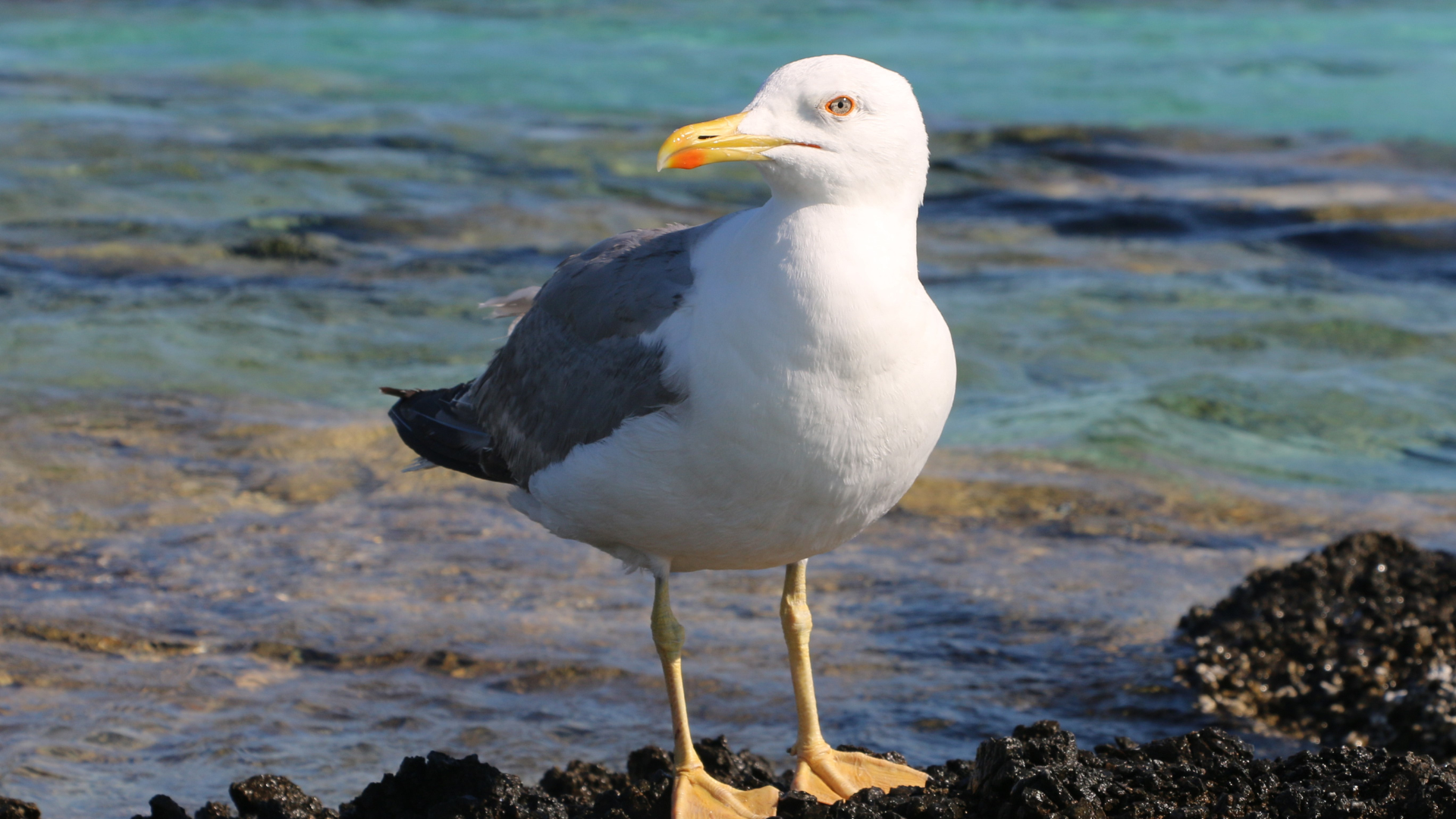
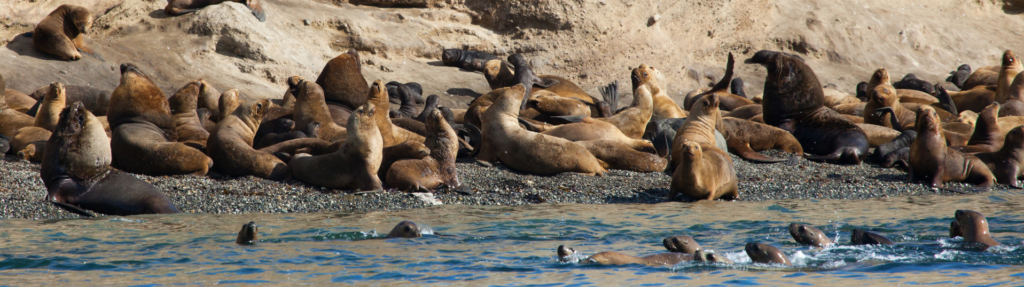
The third project focuses on the recent emergence of Highly Pathogenic Avian Influenza (HPAI) in Argentine Patagonia, one of the most significant health events observed in recent years among wild marine fauna.
Since the arrival of the H5N1 virus in South America in 2022, massive mortality events have been recorded among numerous bird and marine mammal species. The main species studied include Kelp Gull (Larus dominicanus), Olrog’s Gull (Larus scoresbii), Brown Skua (Stercorarius antarcticus), Imperial Cormorant (Leucocarbo atriceps), Southern Giant Petrel (Macronectes giganteus), Magellanic Penguin (Spheniscus magellanicus), Royal Tern (Thalasseus maximus), Cayenne Tern (Thalasseus acuflavidus eurygnathus), and Southern Elephant Seal (Mirounga leonina).
In Patagonia, up to 95% of southern elephant seal pups born in 2023 are believed to have succumbed to the virus.
Objectives:
- Understand why some species were severely affected while others appeared relatively spared,Study the potential role of certain species as asymptomatic reservoirs, as well as the emergence of new viral variants.
By deepening knowledge of virus circulation dynamics within this unique ecosystem, the project aims to improve understanding of the mechanisms behind the emergence and spread of infectious diseases within wild animal communities.
SUPPORTING RESEARCH TO ANTICIPATE TOMORROW’S HEALTH CRISES
With these three new projects, Ceva Wildlife Research Fund now supports 17 initiatives worldwide across a wide range of species.
By supporting applied research projects in the field, the fund contributes to improving knowledge of diseases affecting wildlife, their transmission patterns, and their impact on health and environmental balance. Through its two other pillars, “Treat and Prevent” and “Rebalance and Coexist,” Ceva Wildlife Research Fund also supports the development of practical solutions to sustainably protect wildlife health and foster balanced coexistence between species, humans, and their environments.From forests of Congo to coasts of Patagonia, and across African vulture populations, these projects highlight the importance of a global One Health approach, recognizing the close connections between animal health, human health, and ecosystem health.
To follow updates on projects supported by Ceva Wildlife Research Fund, visit our LinkedIn and Instagram pages.