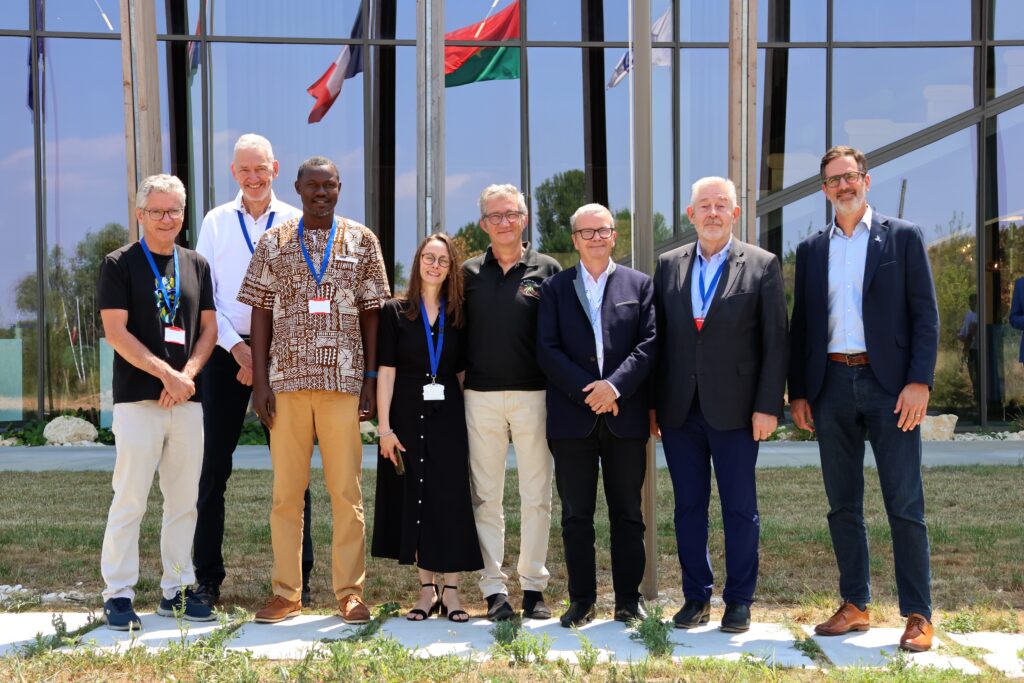
There are some projects that, over time, grow far beyond what was first imagined. Poulet du Faso is one of them. In June 2026, Ceva’s headquarters came alive with a conference unlike any other, marking the tenth anniversary of a programme that has quite literally transformed poultry farming in Burkina Faso – and, with it, the lives of thousands of families.
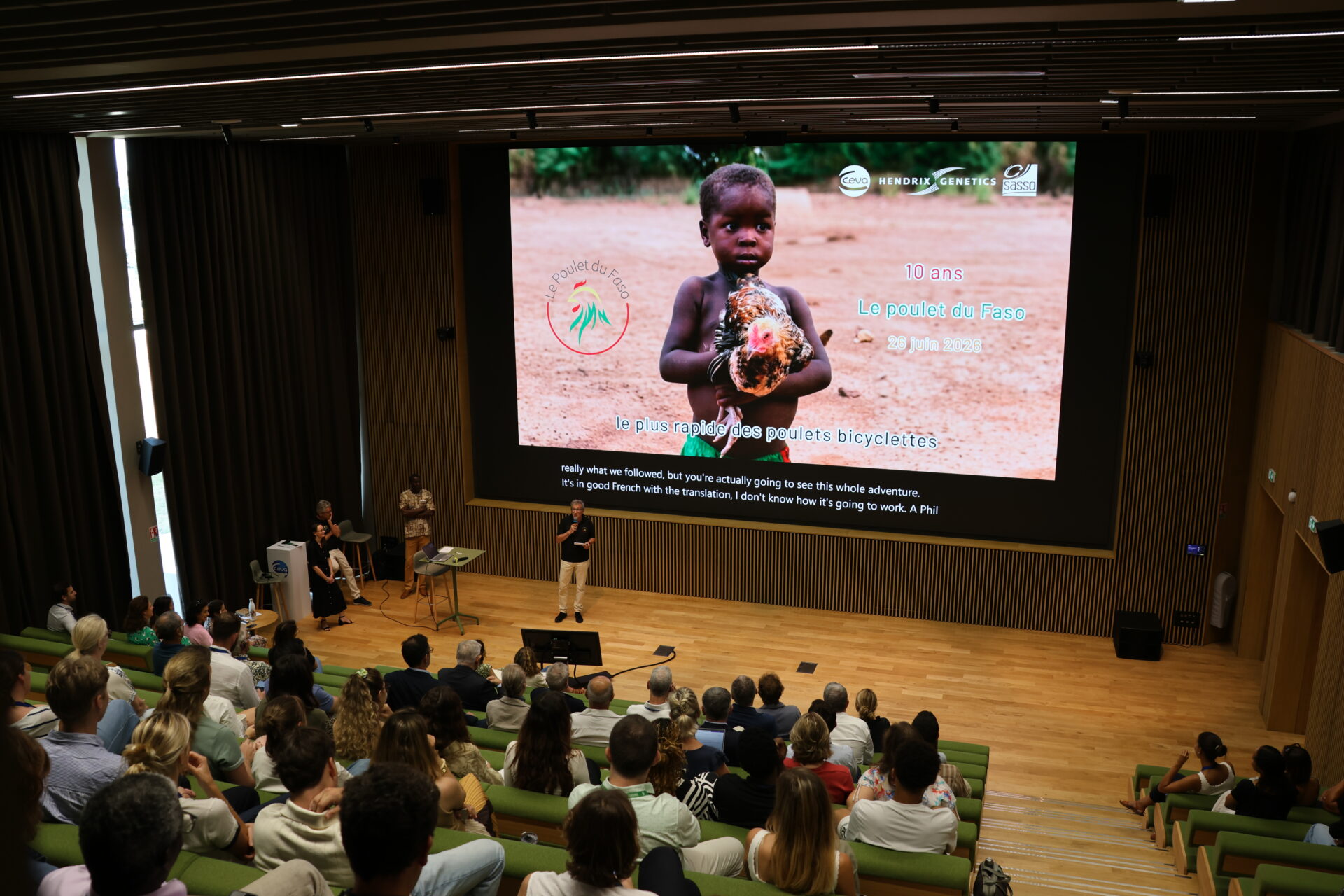
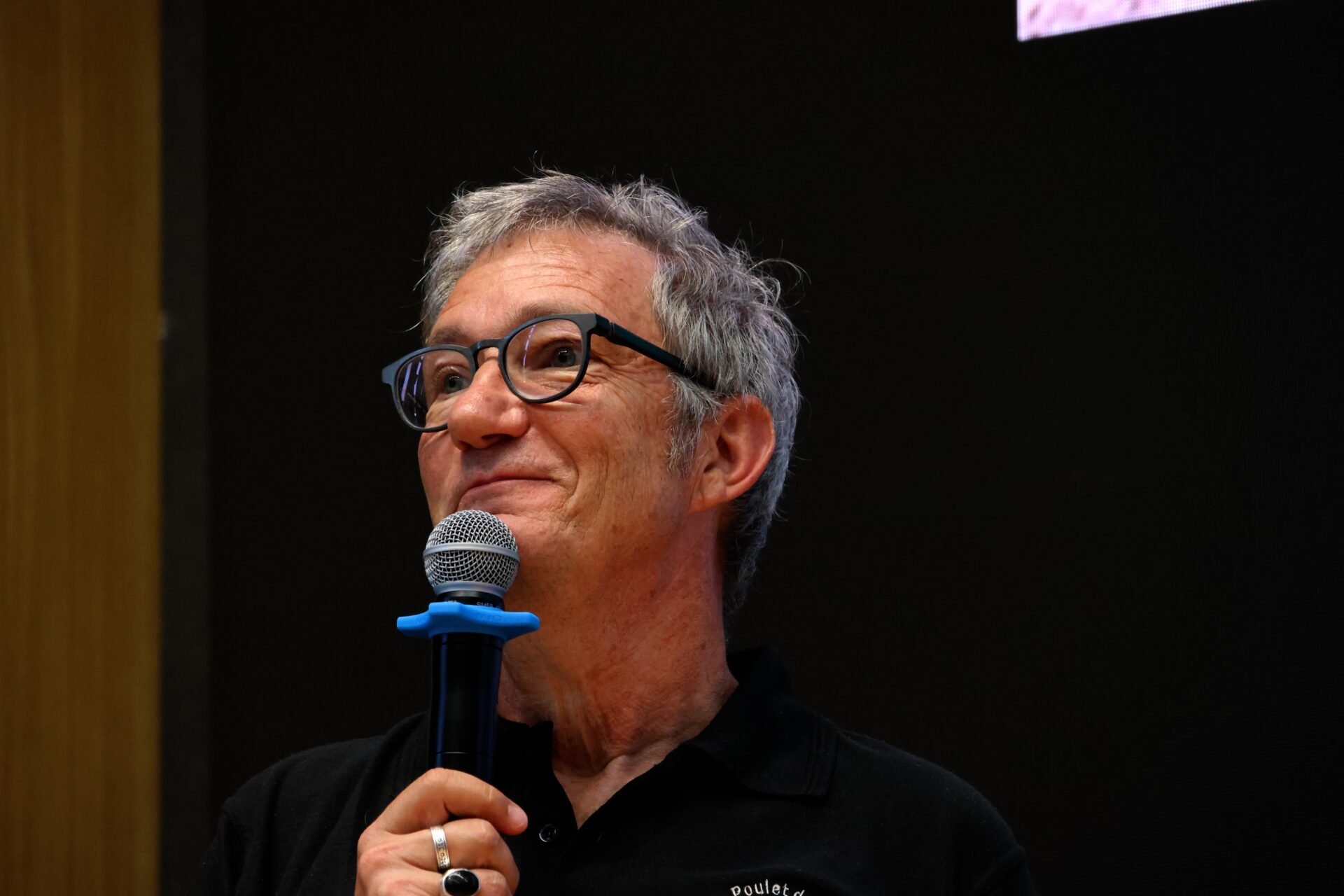
Above all, Poulet du Faso is a story of encounters. Around twelve years ago, Pierre-Marie Borne met with representatives from the Gates Foundation, who were looking for partners able to put forward practical projects to improve animal health in developing countries. Three proposals were submitted – one of them, in Burkina Faso, stood out.
The idea was both simple and ambitious: to improve the productivity of poultry farming in Burkina Faso without disrupting local practices or imposing an external model, but rather by building on what already existed – local expertise, local breeds, and the people working on the ground. A bold challenge, requiring years of effort, patience, and ingenuity.
To make it happen, a strong partnership was built around four key players:
- Ceva, as one of the world leaders in animal health;
- Sasso, a French subsidiary of Hendrix Genetics and an expert in poultry genetics;
- The Gates Foundation, which supported the project financially and provided its initial strategic vision;
- The Boussé poultry farmers’ cooperative in Burkina Faso, anchoring the project firmly in local realities.
A genetic model designed the other way round
Rather than introducing high-performing exotic breeds and asking local farmers to adapt, the team took the opposite approach.
They selected roosters locally – the well-known “bicycle chicken”, hardy, climate-resilient and highly valued by Burkinabe consumers – and crossed them with Landes hens provided by Sasso.
The result: Poulet du Faso chickens that combine strong growth and productivity with the physical traits and taste qualities that local consumers are looking for.
From idea to reality on the ground
If Poulet du Faso is a success today, it is largely thanks to the men and women who believed in it and drove it forward every day, building and developing a dedicated breeding centre in Boussé, Burkina Faso.
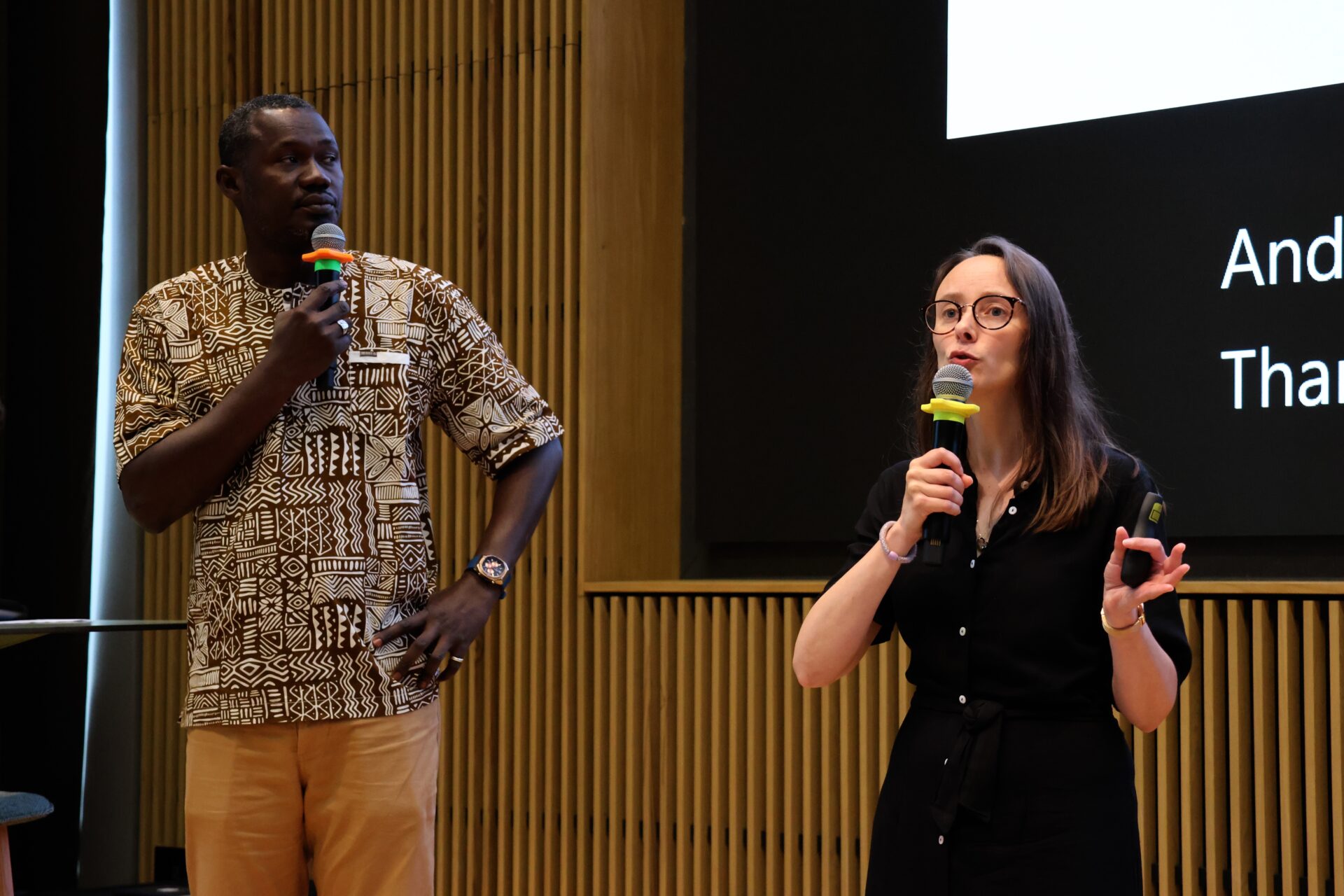
Yaya Ba, Project Coordinator, played a key role in setting up the distribution network, structured around technical and commercial ambassadors deployed across ten areas around Ouagadougou. Their role is essential: they consolidate orders, organise logistics, and deliver – even to the most remote villages – chicks that have been vaccinated at the hatchery, along with feed and vaccination kits.
Beyond this operational support, they also contribute to selection, run awareness and training initiatives, and ensure close, hands-on support for small local producers. It is an impressive local network, one that has made it possible to reach farmers who would otherwise never have had access to such resources.
10 million chicks distributed: figures that speak for themselves
Ten years on, the results speak for themselves: between 2018 and 2026, production reached 3.5 million vaccinated chicks during the project phase, followed by 6 million chicks after its rollout. In total, nearly 10 million vaccinated chicks have been distributed to farmers in Burkina Faso. Five hatcheries are now operating across the country, and the model is fully financially self-sustaining.
Beyond these impressive figures lies a very tangible impact: farmers who have been able to invest, professionalise and grow their activities; families whose income has increased; women who have gained greater economic independence; and young people who have found real prospects in poultry farming. Overall, the project has generated income for producers equivalent to three times the initial investment required to implement it.
Can this model be expanded to other parts of the world?
Yes – the Poulet du Faso model can inspire other initiatives, and trials are already underway in East Africa. But it cannot simply be copied and pasted. Each region has its own specific context: hatchery size, distribution channels, consumption habits, and cultural environment. What works in Burkina Faso needs to be adapted, rethought, and co-developed with local stakeholders elsewhere.
That may well be the most valuable lesson from these ten years: there is no one-size-fits-all solution. What matters are the principles – listening, partnership, adaptability, patience – and the teams capable of putting them into practice with both intelligence and humility.
A closing marked by gratitude
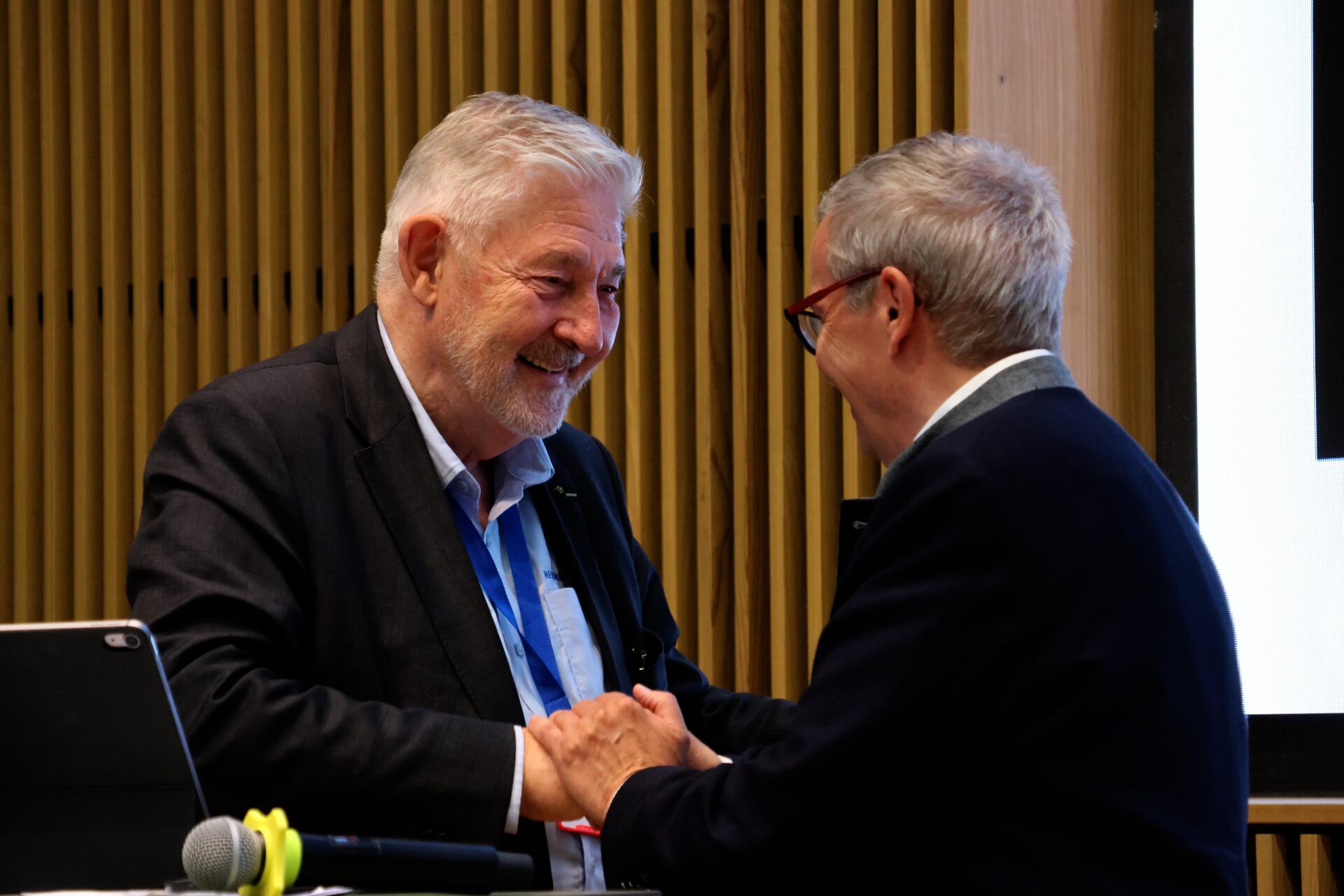
Marc Prikazsky (Executive Chairman of Ceva), Thijs Hendrix (Chairman and Founder of Hendrix Genetics), and Alfred De Vries (Programme Director at the Gates Foundation) closed the event by celebrating the collective success of a project driven by innovation, partnership, and human impact. A powerful reminder that sustainable models are built over time, with communities – not for them.
Thijs Hendrix also expressed his pride in having contributed to this remarkable journey – one that highlights the importance of long-term collaboration between private, institutional, and local stakeholders in addressing the agricultural challenges facing the African continent.