High blood pressure doesn’t only affect humans — what about your cat?
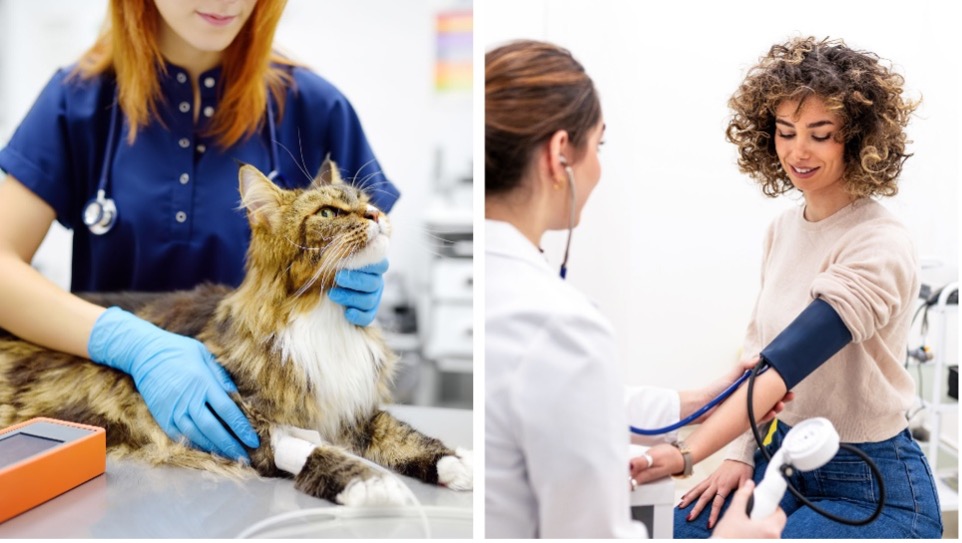
Libourne, 28 April 2026 — As awareness grows around high blood pressure affecting over 1 billion people worldwide, Ceva Animal Health (Ceva), the world’s fifth-largest animal health company and leader in pet behaviour, is highlighting a lesser-known but related issue: hypertension (high blood pressure) in cats.
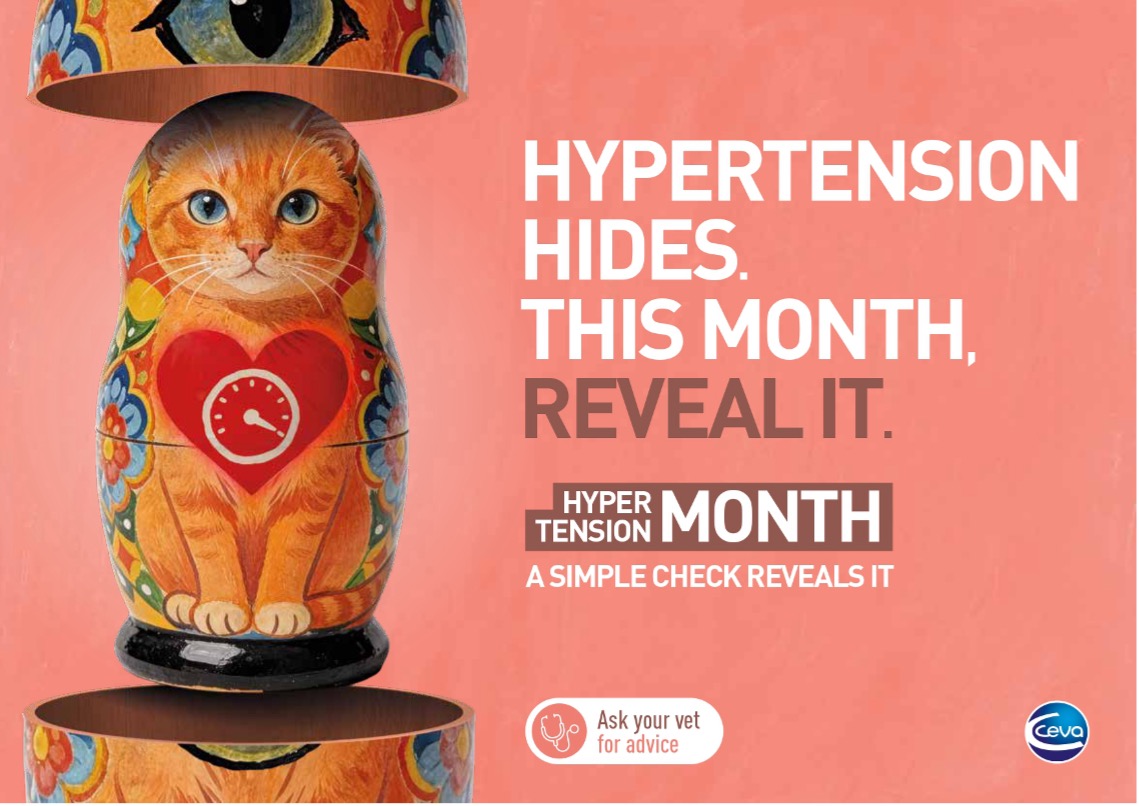
In the lead-up to World Hypertension Day on May 17th and throughout Feline Hypertension Awareness Month in May, Ceva is encouraging cat owners to consider having their pets’ blood pressure checked regularly, particularly as they age. In fact, in the UK, an estimated 378,000 cats are living* with hypertension, out of a population of more than 12 million. Yet awareness of the condition in pets remains low, with many owners unaware that their cat could be at risk.
According to Ceva’s European Feline Hypertension Awareness initiative, nearly three-quarters (74%)** of cat owners have never heard of feline hypertension, despite it affecting around one in five cats over the age of nine.
Often described as a “silent killer”, hypertension can go undetected for years. Because the condition often develops without obvious symptoms in the cat population, it is frequently diagnosed only after serious and irreversible damage has occurred.
“If left untreated, high blood pressure in cats can lead to blindness, seizures, heart damage and kidney problems,” says Dr. Sarah Endersby BVetMed (Hons) MRCVS. “The challenge is that many cats appearperfectlyhealthy until the disease is advanced. A simple blood pressure check at the vet can make all the difference.’’
Ceva and the ISFM international guidelines*** recommend that older cats, particularly those aged seven and above, receive regular health checks, including annual blood pressure monitoring. Owners should be particularly vigilant if:
- Cats are over 7 years of age
- Have chronic kidney disease
- Have shown changes in behaviour
- Have shown changes in vision
If any of these apply, owners are advised to consult their vet. Early detection through a simple blood pressure test can help prevent or limit damage and significantly improve a cat’s quality of life.
Experts also recommend monitoring changes in behaviour, appetite or vision, maintaining a balanced diet and an enriching environment, and following veterinary advice for underlying conditions or if cats have kidney disease or hyperthyroidism.
Ceva’s Hypertension Awareness Month campaign, running in the UK and in Europe each May since 2018, reflects the company’s One Health holistic approach and principles, recognising the close connection between human and animal health.
Scientific research shows that pets can support human cardiovascular health by helping to reduce stress and lower blood pressure. However, while many owners benefit from the calming effect of living with a pet, they may not realise that their own cat could also be living with high blood pressure.
“Looking after our pets is part of looking after the whole family,” adds Dr Sarah Endersby. “The bond between people and animals is incredibly powerful: pets help us stay healthier and happier, and it is our responsibility to make sure we do the same for them.”
* Vetnosis data and Internal study on prevalence and possible contributing factors of arterial hypertension in cats in France, Sogeval, 2006
**Survey Sampling International Feline Hypertension, 2017 May, 2502 cat owners in FR-UK-GER-IT-SP
***Taylor SS, Sparkes AH, et al. ISFM Consensus Guidelines on the Diagnosis and Management of Hypertension in Cats J Feline Med Surg. 2017.19(3):288-303